
WATAMU COASTAL CONSERVATION
Turtle Conservation & Rehabilitation in Watamu
Discover the work being done to protect Kenya's sea turtles through rescue, rehabilitation, beach monitoring and community conservation.
Near Watamu's beaches and coral reefs, Local Ocean Conservation works with local communities and conservation partners to protect sea turtles and the marine environment they depend on.
A visit to its Marine Information Centre offers an opportunity to understand the challenges facing these animals and learn how conservation efforts help them return safely to the ocean.
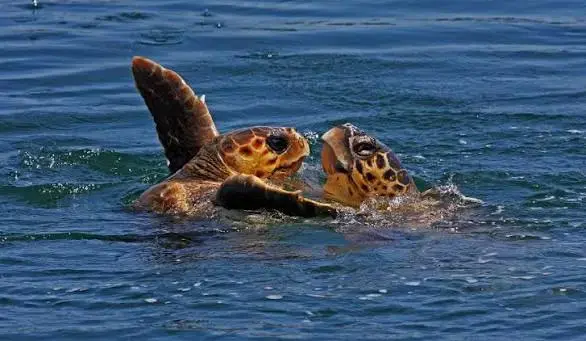
TURTLE CONSERVATION IN WATAMU
Protecting Watamu's Sea Turtles
Watamu is an important area for sea turtles along the Kenyan coast. Its beaches provide nesting habitat, while the surrounding marine environment supports turtles at different stages of their lives.
Green and hawksbill turtles are among the species recorded in the Watamu Marine National Park area.
However, sea turtles face serious threats. Fishing nets and hooks, marine pollution, coastal development, disturbance of nesting beaches and illegal exploitation can affect their survival.
Local conservation work helps address these pressures through monitoring, rescue, education and cooperation with the fishing community.
LOCAL OCEAN CONSERVATION
Local Ocean Conservation and Watamu Turtle Watch
Watamu Turtle Watch began in 1997 as a community initiative to protect nesting sea turtles.
Today, the programme operates through Local Ocean Conservation, a Kenyan not-for-profit organisation dedicated to protecting marine wildlife and habitats.
Its activities include monitoring nesting beaches and protecting vulnerable nests; working with local fishers to rescue turtles accidentally caught in fishing gear; providing specialist care for sick and injured turtles; collecting information that supports conservation research; and educating local communities and visitors about marine protection.
This work connects wildlife conservation with the people whose livelihoods depend on the ocean.
RESCUE AND REHABILITATION
How Turtle Rescue and Rehabilitation Works
Sea turtles can become entangled in fishing nets, injured by hooks or affected by illness and pollution.
Through its rescue programme, Local Ocean Conservation works with fishers to identify turtles that need assistance.
Healthy rescued turtles may be assessed and returned to the sea. Animals requiring medical attention can receive care at the organisation's Turtle Rehabilitation Centre in Watamu.
The aim is rehabilitation and release whenever the turtle is fit to return to its natural environment.
Because the centre prioritises animal welfare, the number of turtles receiving treatment varies. There may be no turtle patients during a particular visit.
EDUCATIONAL VISITS
What Visitors Can Discover
Local Ocean Conservation offers educational visits at its Marine Information Centre in Watamu.
During an arranged visit, guests can learn about local marine habitats, the dangers sea turtles face and the conservation work taking place along the coast.
The visit may include an opportunity to see the rehabilitation facilities and any turtles currently receiving care, subject to the centre's conditions and animal welfare requirements.
It is particularly interesting for visitors who enjoy nature, conservation, marine biology or learning about local community projects.
This is an educational experience rather than a conventional wildlife safari. Visitors should not expect to touch turtles, participate in medical treatment, witness hatchlings emerging or join a turtle release.
COASTAL COMMUNITIES
Why Community Conservation Matters
One important part of the programme is its cooperation with local fishing communities.
Accidental capture in fishing equipment is a significant threat to sea turtles. By working with fishers to support rescue and release, conservation teams help reduce harm while building local understanding of marine wildlife.
Beach monitors also protect nesting areas and collect information that helps researchers understand turtle populations over time.
These activities demonstrate how protecting marine habitats and supporting coastal livelihoods can work together.
VISITOR INFORMATION
Planning a Turtle Conservation Visit
Location: Local Ocean Conservation's Marine Information Centre, Watamu, Kilifi County.
Experience: Educational visit focused on sea turtle conservation and rehabilitation.
Typical duration: Approximately one hour, according to the organisation's published visitor information.
Access: Visits require advance booking. Opening times and arrangements should be confirmed with Local Ocean Conservation before travelling.
Cost: The organisation publishes a minimum visitor donation. Check the official day-visit information for current details.
Wildlife expectations: Turtle patients, hatchlings, nesting activity and release events are not guaranteed.
Visitors should follow staff instructions, respect rehabilitation areas and avoid disturbing wildlife.
COMBINE YOUR VISIT
Combine Your Visit with Watamu's Coastal Nature
A turtle conservation visit can complement other experiences around Watamu.
Visitors interested in forests and community conservation may also enjoy the Kipepeo Butterfly Project or Arabuko-Sokoke Forest.
Those interested in coastal wildlife and landscapes can explore Mida Creek and the wider Watamu marine environment. These are separate experiences, and suitable combinations depend on opening arrangements, available time and transport.
Kipepeo Butterfly ProjectArabuko-Sokoke ForestPLAN WITH SETTIMO
Interested in Learning About Turtle Conservation in Watamu?
Settimo can help you discuss a suitable coastal excursion and how a conservation-centre visit might fit into your stay in Watamu.
Access, visitor times and any booking arrangements must be confirmed with Local Ocean Conservation.
Plan My Safari