
DESTINATION GUIDE
Amboseli National Park: Wildlife, Kilimanjaro Views and Safari Guide
Amboseli National Park is one of Kenya's best-known safari destinations, famous for its elephants, open plains and views of Mount Kilimanjaro.
Located in southern Kenya near the Tanzanian border, Amboseli brings together dry savanna, freshwater swamps, acacia woodland and seasonal wetlands. These contrasting habitats support a wide range of wildlife within a relatively compact national park.
For visitors interested in elephants, birdwatching and wildlife photography, Amboseli offers a rewarding safari experience. It can also form part of a longer journey through Tsavo East, Tsavo West and Kenya's Indian Ocean coast.
Where Is Amboseli National Park?
Amboseli National Park lies in Kajiado County in southern Kenya, close to Tanzania.
The park covers approximately 392 square kilometres, but it forms part of a much larger ecosystem extending across community lands, conservancies and wildlife corridors.
UNESCO describes the wider transboundary ecosystem as covering roughly 8,000 square kilometres. Different conservation bodies use smaller boundaries for their own management areas.
Landscape and Geography
Amboseli is a landscape of contrasts.
Much of the park is open grassland and dusty plain, while permanent swamps provide water and green vegetation throughout much of the year.
Its main habitats include open savanna, acacia woodland, thorn bush, marshes, swamps and the seasonal bed of Lake Amboseli.
Water reaching the wetlands through underground systems associated with Mount Kilimanjaro and the surrounding highlands helps sustain wildlife in this semi-arid environment.
Mount Kilimanjaro
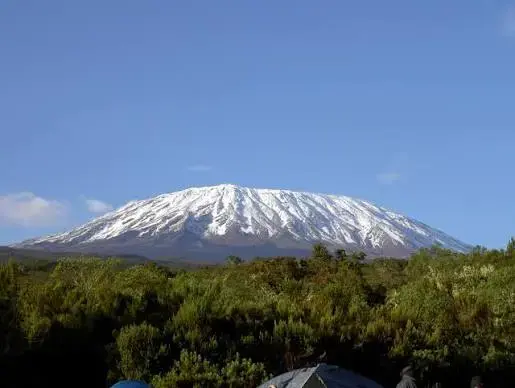
Mount Kilimanjaro stands across the border in Tanzania, forming the famous southern backdrop to Amboseli.
On clear mornings, its summit can rise above the plains while elephants and other animals move through the foreground.
Cloud, dust and haze often obscure the mountain, particularly later in the day. A clear view is never guaranteed.
History and Conservation
The name Amboseli is associated with the Maasai word Empusel, commonly translated as a place of salty dust.
Amboseli's history is closely linked to Maasai communities and their longstanding pastoral use of the surrounding landscape.
The area had protected status before Amboseli National Park was officially gazetted on 1 November 1974.
Amboseli was recognised as a UNESCO Biosphere Reserve in 1991, reflecting the relationship between wildlife, habitats and human communities. The Amboseli ecosystem also appears on UNESCO's World Heritage Tentative List, which is not the same as full World Heritage inscription.
Elephant Research
Amboseli is internationally known for its long-running elephant research.
The Amboseli Elephant Research Project began monitoring individual elephants in 1972. Researchers have followed family relationships, births, deaths and changes in elephant behaviour over several decades.
The Amboseli Trust for Elephants recorded 1,878 living elephants in its core known population at the end of 2023.
That figure describes a documented research population at a particular date, not a current count of elephants inside the national park.
Communities and Wildlife Corridors
Animals do not remain within Amboseli's park boundaries throughout the year.
Elephants, zebras, wildebeest and other wildlife move across surrounding grazing lands and community conservancies as rainfall and food availability change.
These areas are important for both wildlife movement and local livelihoods.
Conservation efforts therefore involve not only protecting the national park but also maintaining habitat connections and working with the communities who live around it.
Wildlife in Amboseli National Park
African Elephants
Elephants are Amboseli's most famous residents.
Visitors may encounter family groups moving between wetlands and open plains, calves staying close to their mothers, and mature bulls travelling alone or in smaller groups.
The relatively open terrain provides opportunities to observe their social behaviour.
However, elephant movements change with weather, water and grazing. Visitors should allow animals space and never pressure guides to approach them too closely.
Lions and Other Predators
Amboseli supports lions, cheetahs, leopards, spotted hyenas and jackals.
Lions may be seen in grassland or near areas where prey gathers. Cheetahs favour more open environments, while leopards are generally harder to find.
Predator encounters depend on timing, movement and chance. No safari can guarantee a particular sighting.
Giraffes, Buffalo and Plains Wildlife
Other wildlife recorded in the Amboseli landscape includes African buffalo, Maasai giraffes, zebras, wildebeest, impalas, gazelles, warthogs and hippopotamuses.
Some animals gather near permanent wetlands during drier periods. Following rain, wildlife may spread more widely into surrounding community lands.
This movement makes every safari different.
Birdwatching
Amboseli is also an important birdwatching destination.
Kenya Wildlife Service reports more than 400 bird species in the park, including numerous birds of prey.
Wetland habitats attract herons, egrets, pelicans, storks and other waterbirds.
The grasslands and woodlands support raptors and a variety of dry-country bird species.
Birdlife changes with seasonal water levels and migratory movements.
Main Attractions and Safari Experiences
Observation Hill
Observation Hill, also known as Nomatior, offers views across Amboseli's swamps and surrounding landscape.
Visitors can appreciate the contrast between green wetlands and dry plains from the designated viewpoint.
Walking is only permitted in approved areas, and park-authority instructions should always be followed.
Amboseli's Swamps
Permanent swamps such as Enkongo Narok and Longinye are central to Amboseli's wildlife ecology.
They provide water and vegetation that attract elephants, buffalo, hippos and birds.
Watching animals move between the wetlands and open plains is one of the park's characteristic safari experiences.
Wildlife Photography
Amboseli offers dramatic photographic settings: elephants against Kilimanjaro, wildlife moving through dust, reflections near wetlands and changing light across the plains.
Early morning often provides softer light and a better chance of seeing the mountain.
Photographers should protect their equipment from dust and follow wildlife-viewing rules.
Game Drives and Conservation Experiences
Game drives are the main way visitors explore Amboseli National Park.
Other experiences, including community visits or activities in nearby conservancies, depend on the location, operator and applicable permissions.
Night drives, walking safaris and activities offered outside the park must not be assumed to be permitted inside the national park.
Best Time to Visit Amboseli
Amboseli can be visited throughout the year, but conditions vary with rainfall.
June to October
These are generally drier months.
Wildlife often gathers near reliable water sources, while open terrain and shorter vegetation can make viewing easier.
Dust and visitor demand may be higher during this period.
January to February
These months often bring another relatively dry period.
They can be rewarding for wildlife viewing and early-morning photography, although weather conditions vary.
March to May
The long rains usually bring greener vegetation and temporary water.
Animals may spread across a larger area, while muddy roads can affect travel plans.
The green landscape and changing birdlife can appeal to nature photographers.
October to December
The short-rain period can bring greener scenery, seasonal bird activity and less dust.
Rainfall is variable, so visitors should plan with some flexibility.
No season guarantees wildlife sightings, clear Kilimanjaro views or ideal road conditions.
Where to Stay in and Around Amboseli
Accommodation around Amboseli ranges from public campsites and simple tented camps to established safari lodges and high-end conservancy retreats.
The right choice depends on budget, comfort, park access and the kind of safari experience you prefer.
The categories below describe general accommodation styles, not fixed price bands. Rates and availability change by season, room type and booking arrangements.
Budget and Affordable Accommodation
Amboseli Public Campsite and KWS accommodation
Kenya Wildlife Service lists public camping and self-catering accommodation options, including guest houses and cottages.
These may suit travellers seeking a practical stay or groups willing to arrange more of their own supplies and meals.
Nyati Safari Camp
A simpler camp option in the Amboseli area, associated with budget-conscious travellers and access from the Kimana side.
Manjaro Tented Camp
A tented accommodation option for visitors who prefer a simpler safari base rather than a large full-service lodge.
For affordable stays, confirm meals, bathrooms, electricity, bedding and access arrangements before booking.
Mid-Range Safari Lodges and Camps
Kibo Safari Camp
A tented safari camp near the Kimana entrance area, offering a more comfortable camp-style stay.
Sentrim Amboseli
An established tented camp suitable for travellers seeking a practical safari base near the park.
AA Lodge Amboseli
A lodge-style accommodation option in the Amboseli area, suitable for visitors who prefer conventional rooms and shared facilities.
Amboseli Sopa Lodge
A larger safari lodge outside the national park, offering a more traditional lodge experience within the wider southern Kenya region.
Mid-range properties can suit families, couples and small groups looking for comfort without choosing an exclusive private retreat.
Established Lodges Inside the Park
Ol Tukai Lodge
An established safari lodge inside Amboseli National Park, well placed for exploring the park's wildlife habitats.
Amboseli Serena Safari Lodge
A well-known lodge within the national park, offering a traditional safari-lodge setting.
These properties are worth considering when park location and access to game-drive areas are important.
They should not automatically be treated as cheaper or more expensive than a particular camp. Actual quotations depend on the travel dates and package.
Luxury Camps and Conservancy Retreats
Elewana Tortilis Camp
A high-end tented safari property in the Amboseli area, associated with a more intimate safari-camp experience.
Tawi Lodge
Located in the Tawi Conservancy area outside the national park, offering an upscale stay in a conservation setting.
Elerai Camp
A conservancy-based option associated with the wider Amboseli landscape and Kilimanjaro views.
Angama Amboseli
A high-end lodge in Kimana Sanctuary, offering a stay in the wider Amboseli ecosystem rather than inside the national park.
Luxury stays may appeal to travellers seeking smaller properties, greater privacy or access to experiences offered in neighbouring conservancies.
Choosing the Right Accommodation
Before choosing a lodge or camp, consider:
- Whether it lies inside the national park or outside its boundaries.
- Which entrance gate is most practical for game drives.
- What meals and activities are included.
- Whether park fees are separate.
- Whether the accommodation suits children or larger groups.
- What cancellation and payment terms apply.
- Whether conservancy activities require separate arrangements.
Kenya Safari With Settimo can help travellers discuss suitable accommodation as part of their wider itinerary. Formal booking arrangements are handled through the relevant travel partners.
Getting to Amboseli and Practical Travel Advice
Amboseli can be reached by road from Nairobi and other parts of southern Kenya.
Kenya Wildlife Service identifies Iremito, Kimana and Meshanani among the park's access gates.
The best approach depends on the starting point, planned safari route, weather and accommodation location.
Air access may also be possible through suitable regional airstrips and available flight arrangements.
Because road and flight arrangements can change, travellers should confirm current routes before departure rather than rely on fixed journey-time estimates.
What to Pack
Useful items include lightweight clothing, a warm layer for early drives, sunglasses, sunscreen, insect repellent, binoculars, drinking water and protection for cameras.
Closed shoes are useful for permitted walking areas and around accommodation.
Park Rules and Wildlife Safety
Visitors should follow Kenya Wildlife Service instructions, remain on authorised roads and stay inside vehicles except in designated areas.
Do not feed animals, block their paths or leave litter behind.
Park entry fees and payment arrangements should be checked through Kenya Wildlife Service before travel.
Combining Amboseli with Tsavo and the Kenya Coast
Amboseli fits naturally into longer southern Kenya safari routes.
Tsavo East offers expansive savanna landscapes and the well-known red-dust elephants.
Tsavo West adds volcanic terrain, hills, woodland and features such as Mzima Springs.
Amboseli offers a contrast through its open plains, wetlands and Kilimanjaro backdrop.
For travellers staying around Watamu or Malindi, these destinations can be considered as part of a wider coast-and-safari itinerary.
The ideal route depends on available days, travel conditions, interests and accommodation choices.
Related safari: 3-Day Tsavo East and Amboseli Safari.
Frequently Asked Questions
Where is Amboseli National Park?
Amboseli is in Kajiado County, southern Kenya, close to Tanzania and Mount Kilimanjaro.
How large is Amboseli?
The national park covers approximately 392 square kilometres. The surrounding ecosystem is substantially larger.
What is Amboseli best known for?
Its elephants, open landscapes, wetlands, long-term elephant research and views of Mount Kilimanjaro.
Can visitors see Kilimanjaro from Amboseli?
Yes, when weather conditions allow. Early morning often offers favourable visibility.
Which animals live in Amboseli?
Recorded wildlife includes elephants, lions, cheetahs, buffalo, giraffes, zebras, wildebeest, gazelles, hippos and many bird species.
How many nights should visitors spend in Amboseli?
Two or three nights can provide time for several game drives and exploring different habitats. The right length depends on the wider itinerary.
Is it better to stay inside or outside the park?
Both can work well. In-park accommodation offers convenient access to park areas, while some outside lodges and conservancy camps offer different settings and activities.
Can Amboseli be combined with Tsavo?
Yes. Amboseli can form part of a southern Kenya safari visiting Tsavo East or Tsavo West, depending on the available time and route.
Sources and Further Reading
For authoritative information and further research:
Kenya Wildlife Service: Amboseli National Park
Official park information, visitor guidance, access routes and accommodation listings.
UNESCO World Heritage Centre: Amboseli Ecosystem
History, landscape, biodiversity and the wider ecosystem.
Long-term elephant research and conservation.
Amboseli Trust for Elephants: Annual Report 2023
The dated research population figures used in this guide.
Kenya Wildlife Service: Park Entry and Visitor Information
Current park regulations and official visitor information.
Accommodation names and inclusion should be checked against Kenya Wildlife Service and each property's current official information before booking.
Plan Your Amboseli Safari with Settimo
Amboseli is a rewarding destination for visitors interested in elephants, wildlife photography and the varied landscapes of southern Kenya.
Whether you want to visit Amboseli as part of a Tsavo safari or combine wildlife experiences with time on Kenya's coast, Kenya Safari With Settimo can help you discuss a journey that fits your interests and travel dates.
Explore the 3-Day Tsavo East and Amboseli Safari, or use Plan My Safari to start planning your trip. You can also browse Safaris & Tours and Destinations.