
Watamu is famous for its white sandy beaches, turquoise water and beautiful Indian Ocean coastline. But beyond the shore lies another side of coastal Kenya, one shaped by ancient forests, wildlife conservation, Swahili history and communities working to protect their natural surroundings.
Travel a little inland from the beaches and the scenery begins to change. Coastal vegetation gives way to forest, historic stone ruins and small community projects with remarkable stories.
For visitors staying in Watamu or Malindi, exploring these places adds a different dimension to a coastal holiday.
Beyond the Indian Ocean
Many travellers come to Watamu for the sea. Swimming, snorkelling, boat excursions and relaxing on the beach are part of its appeal.
Yet the coast is also home to distinctive wildlife habitats and centuries of history.
A visit beyond the beach offers the chance to discover how the area’s natural environment and local communities are connected.
Three places help tell that story: Arabuko-Sokoke Forest, the Kipepeo Butterfly Project and the historic ruins of Gede.
Arabuko-Sokoke: A Forest Worth Protecting
Arabuko-Sokoke Forest is one of Kenya’s most important coastal wildlife habitats.
Located inland from the coast between Malindi and Kilifi, it is the largest remaining block of natural coastal forest in East Africa.
The forest supports a remarkable range of plants, birds, butterflies and mammals, including species that are rare or restricted to the region.
Among its best-known birds are the Sokoke Scops Owl, Clarke’s Weaver and Amani Sunbird. The forest is also home to the golden-rumped sengi, a small and unusual mammal sometimes called an elephant shrew.
For nature lovers, Arabuko-Sokoke offers a very different setting from the open grasslands associated with Kenya’s traditional safaris.
Here, the experience is about forest habitats, bird calls, quiet observation and learning how this coastal ecosystem works.
Wildlife sightings depend on conditions and the nature of the visit. Even without encountering rare species, the forest offers an opportunity to appreciate a side of Kenya that many beach visitors overlook.
Kipepeo: How Butterflies Support Communities
Near Gede, the Kipepeo Butterfly Project provides an unusual example of conservation linked to local livelihoods.
Kipepeo means butterfly in Swahili.
The project works with communities around Arabuko-Sokoke Forest, supporting butterfly farming and other nature-based activities.
Farmers raise butterflies, collect their pupae and supply them through the project. The pupae are then sent to butterfly exhibitions, where the adult butterflies emerge.
This work creates a connection between earning an income and protecting the forest habitat on which the butterflies depend.
Kipepeo also markets other nature-based products, including honey and silk products.
What makes the project interesting is the idea behind it: conserving a forest can also help support the people who live around it.
Visitors interested in insects, community conservation and the relationship between nature and livelihoods can learn more about the project and its work.
The project has an exhibition house and a marketplace associated with Gede. Current access arrangements should be confirmed before visiting.
Explore Kipepeo Butterfly Project
Gede Ruins: A Window into Swahili History
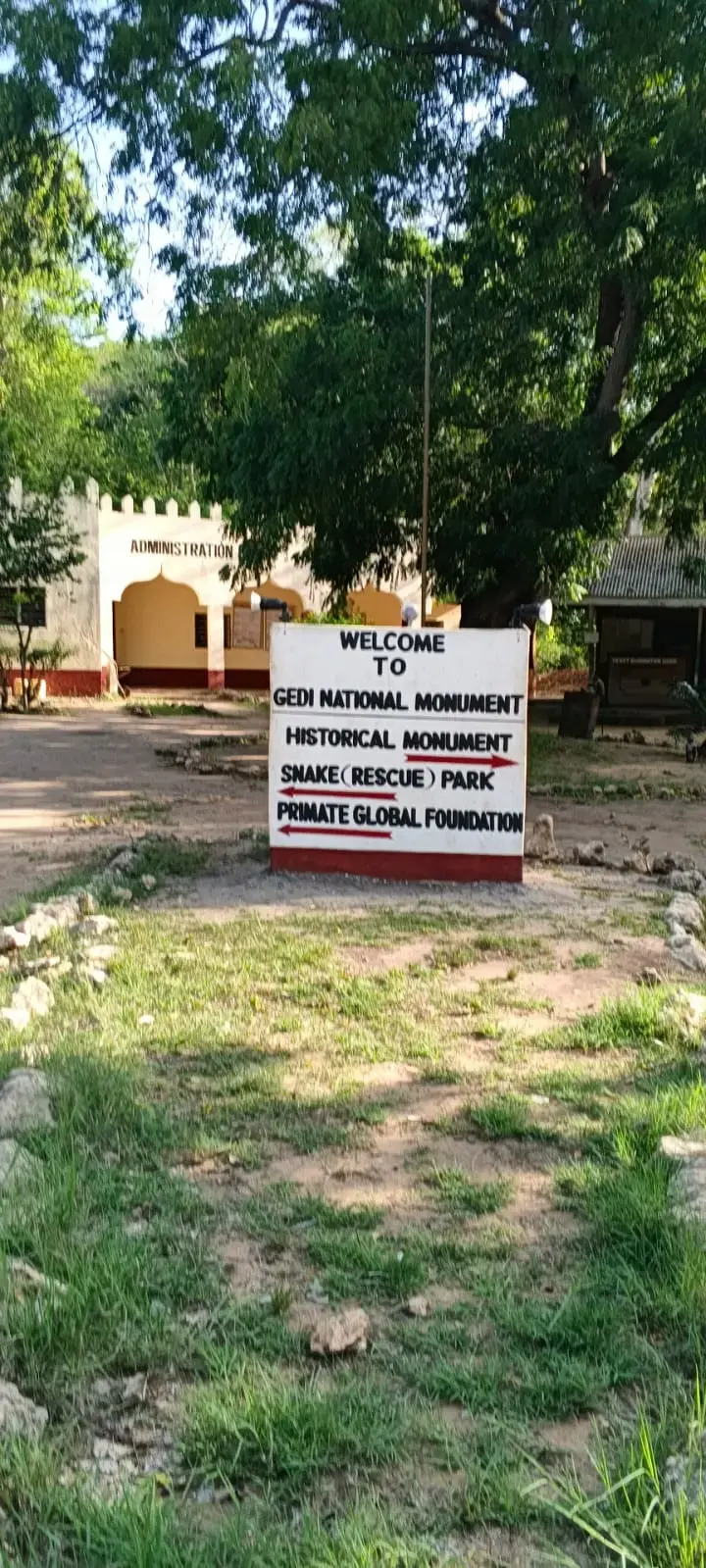
A short distance from Watamu, Gede offers a journey into the history of Kenya’s coast.
Hidden among indigenous forest are the remains of an important Swahili town.
The archaeological site contains stone houses, mosques and the remains of a palace, reflecting the settlement’s past as part of the East African coastal trading culture.
The town developed over several centuries before being abandoned.
Today, visitors can explore its surviving structures and learn about the people who once lived there.
In July 2024, the Historic Town and Archaeological Site of Gedi was inscribed on the UNESCO World Heritage List.
Gede is an interesting contrast to the natural experiences nearby. While Arabuko-Sokoke and Kipepeo focus on the living environment, Gede reveals the human history of the same coastal region.
What Connects These Experiences?
At first glance, a forest, a butterfly project and an ancient Swahili town might seem unrelated.
But together they reveal the variety of experiences found around Watamu.
Arabuko-Sokoke shows why coastal forests matter for wildlife.
Kipepeo demonstrates how local livelihoods can be linked to conservation.
Gede tells part of the story of the communities and trading cultures that shaped the Kenyan coast.
Each place deserves time and attention in its own right.
Travellers interested in visiting more than one can discuss a suitable route, based on current opening arrangements and the time available.
A Different Way to Experience Watamu
A coastal holiday does not have to mean choosing between beach time and exploring inland.
Visitors can enjoy the Indian Ocean while also discovering forests, heritage sites and local conservation work.
For birdwatchers, photographers, families and travellers interested in Kenya’s history, these experiences offer different reasons to explore the coast.
They also encourage a more thoughtful approach to travel.
Respecting protected areas, following visitor rules and supporting legitimate community initiatives can help make these visits more meaningful.
Planning Your Coastal Experiences with Settimo
Kenya Safari With Settimo helps visitors staying around Watamu and Malindi discuss and plan excursions suited to their interests and available time.
Whether you’re drawn to coastal forest wildlife, the Kipepeo Butterfly Project or the history of Gede, Settimo can help you explore suitable options.
Visits depend on current access, availability and practical arrangements.
Explore our coastal excursions
Sources and Further Reading
Nature Kenya: Arabuko-Sokoke Forest
Nature Kenya: How Butterflies Protect Arabuko-Sokoke Forest
National Museums of Kenya: Gede Museum
National Museums of Kenya: Historic Town and Archaeological Site of Gedi