
DESTINATION GUIDE
Maasai Mara National Reserve: Wildlife, Great Migration and Visitor Guide
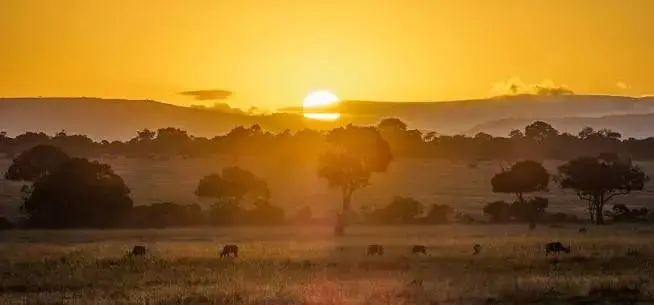
Maasai Mara National Reserve is a major wildlife destination in southwestern Kenya, known for open savannah, resident wildlife, big cats and the seasonal Great Migration.
Its national reserve, Mara Triangle and surrounding Greater Mara conservancies are related but distinct places, each with its own management, access and activity arrangements.
Visitors can explore the Mara independently or combine it with other Kenyan destinations when route, timing and overnight locations allow.
Where Is Maasai Mara National Reserve?
The reserve is only one part of the wider Mara landscape. The Mara Triangle is part of the reserve, while the Greater Mara conservancies are separate community and private-land conservation areas outside it. The international boundary is not a tourist crossing route inside the protected areas. This geography affects practical planning: park fees, ticket systems, driving rules and available activities can vary by the specific place entered. Visitors should therefore decide on their accommodation and intended safari area before assuming a universal Mara experience.
History and Management
Protection of the Mara landscape dates to 1948, followed by a significant expansion in 1961 and the reserve’s later formal establishment in 1974. Narok County Government manages the main reserve. Mara Conservancy manages the Mara Triangle under a separate arrangement; the wider conservancies have their own management structures.
What Makes the Maasai Mara Special?
The Mara River
The Mara River supports riverine habitat, hippos, crocodiles, birdlife and seasonal wildlife movement. It is associated with migration crossings, but crossings have no timetable: herds may gather, turn back or cross elsewhere according to river conditions, weather and animal behaviour. The river is important throughout the year, not merely when migration images are circulating. Its banks also illustrate the contrast between wooded river corridors and the reserve’s more open grassland.
The Mara Triangle and Oloololo Escarpment
The Mara Triangle is the western part of the reserve rather than an independent national park. Open wildlife habitat, the Oloololo Escarpment and long views across the plains give it a distinct setting. Gates, routes and practical access depend on where a visitor stays.
Savannah, Riverine Forests and Wetlands
Open grassland supports predators and grazing herds, while the Mara and Talek river corridors create woodland, wetland and aquatic habitat. These contrasts make the Mara more than a single game-drive landscape; a short visit cannot promise access to every attraction.
Wildlife in the Maasai Mara
Lions, Leopards and Cheetahs
The Mara is widely associated with big cats because its open country can make wildlife viewing rewarding. Lions, leopards, cheetahs, spotted hyenas and other predators occur here, but encounters depend on habitat, timing, guiding and luck. No individual species should be promised. A leopard may be difficult to spot even in habitat where it is present, and cheetahs need appropriate space rather than a crowd of vehicles. Ethical viewing protects both the wildlife and the quality of the experience.
Elephants, Buffalo and Plains Game
Elephants, buffalo, giraffes, zebras, wildebeest, topi, gazelles, hartebeest and impalas are among the herbivores visitors may encounter. Distribution shifts with rainfall, grazing, water and natural movement. A memorable safari includes smaller observations as well as large animals.
Black Rhinos and Birdwatching
Black rhinos are rare and conservation-sensitive. Their presence must not be presented as a guarantee of Big Five sightings. Birdwatching can include raptors, vultures, grassland birds, water-associated species and seasonal migrants across the reserve’s varied habitats.
The Great Migration in the Maasai Mara
What Is the Great Migration?
The Great Migration is the seasonal movement of wildebeest, zebras and other herbivores through the Serengeti–Mara ecosystem. It responds to grazing and rainfall rather than a fixed calendar. It is a continuous ecological movement, not a single event arriving at a named gate. Herds can move through different parts of the ecosystem at different speeds, and the scale of the movement can vary from one period to the next. Planning around it can be sensible, but visitors should choose a safari for the wider landscape and resident wildlife as well as the possibility of migratory herds.
When Does It Reach the Mara?
July to October is often used as a broad planning window for migration research, but it is not a promise that herds will be in one part of the Mara on a particular day. Rainfall, grazing conditions and the animals’ own movements influence routes across the wider Serengeti–Mara ecosystem. An early or late seasonal change can shift where large herds are encountered, so a good safari plan allows time for game drives and values the wider landscape and resident wildlife rather than being built around one expected crossing.
Mara River Crossings
A river crossing is dramatic precisely because it is unpredictable. Herds can wait for long periods without crossing; water level, recent rain, predators, the available banks and herd behaviour all matter. A crossing may happen away from the river point a visitor has reached, or not occur during a particular drive at all. Responsible viewing means following rangers and guides, giving animals room and avoiding crowding. It is more realistic to plan for several unhurried game drives and treat any crossing as a possibility rather than the sole measure of a successful Mara safari.
Outside Migration Season
The Mara remains rewarding outside the main migration period through resident wildlife, predators, birdwatching, landscapes and potentially quieter travel periods. It is not empty when migratory herds are elsewhere.
Maasai Mara National Reserve vs Greater Mara Conservancies
The National Reserve and Mara Triangle
The reserve has an established game-drive network and reserve-specific rules. The Mara Triangle is part of the national reserve but is managed by Mara Conservancy, while other reserve areas are administered through Narok County arrangements. Where visitors stay can affect the gate used, the authority collecting fees, the route available at the beginning and end of each day, and the practical value of a reserve ticket. Before travel, confirm the current access, payment and activity rules with the relevant authority and accommodation provider.
Greater Mara Conservancies
Mara North, Mara Naboisho, Olare Motorogi and Ol Kinyei are examples of conservancies outside the reserve. They bring together Maasai landowners and tourism partners through local conservation arrangements that can protect habitat and wildlife movement while supporting livelihoods. The Maasai Mara Wildlife Conservancies Association describes a network of protected community areas, but each conservancy has its own boundaries, tourism partners and rules. In practical terms, a camp’s conservancy location can affect whether certain activities are offered, how wildlife viewing is managed and whether a separate reserve visit is planned. Visitors should check the arrangements attached to their chosen camp rather than assuming that one conservancy’s activities, fees or access rules apply across the region.
Differences in Activities
Night drives, guided walks and limited off-road activity may be offered in certain conservancies under their specific rules. They should not be assumed to be universally available or permitted in the national reserve.
Best Time to Visit the Maasai Mara
January to March
January to March is generally warmer and comparatively drier than the principal long-rains period, although weather naturally varies. Vegetation can be less dense in some areas, which may support resident-wildlife viewing and photography. Conditions are not a guarantee of dry roads, easy sightings or a particular animal encounter; rainfall, grazing, camp location and daily movement still shape each safari.
April to May
Long rains can produce green landscapes and active birdlife, while some roads may become slower or more difficult.
June to July
Conditions change through these months and migration herds may begin to influence planning, without a fixed arrival date.
August to October
This is a common migration-viewing period and can be busier, with greater accommodation demand. A crossing remains unguaranteed.
November to December
Short rains can refresh vegetation and influence wildlife movement and migratory birdlife. Check current road conditions close to travel.
Where to Stay in the Maasai Mara
Inside Maasai Mara National Reserve
Established reserve accommodation includes Mara Serena Safari Lodge in the Mara Triangle, Governors’ Camp in the Mara River area, Keekorok Lodge, Ashnil Mara Camp and Sarova Mara Game Camp. Sarova Mara Game Camp is inside the national reserve, not outside it. Confirm current availability, exact location and inclusions directly before booking. In-reserve location can reduce some daily transfers, but a particular camp may still be distant from a visitor’s preferred gate or wildlife area. A useful comparison includes the property’s map position, transfer arrangements and the balance between time at camp and on game drives. It should also distinguish a room rate from what is actually included: reserve or conservancy fees, shared or private driving, transfers, meals and activities may be quoted separately or under different booking terms.
Inside Greater Mara Conservancies
Camps in neighbouring conservancies are located on community and private land beside the reserve. Their access arrangements, vehicle limits and permitted activities may differ from those inside the reserve, and a conservancy stay does not automatically include entry to every reserve area. This can suit travellers who value a particular camp setting or a less crowded approach to game viewing, but it is important to confirm whether reserve entry, airstrip transfers, activities and conservancy fees are included in the proposed itinerary.
Outside Reserve Gates
Accommodation outside a reserve gate can be practical for some road-based routes, but it changes the daily rhythm of a safari. Gate opening arrangements, ticket validity, the distance to the intended game-drive area and the time needed to return to camp all matter. Rather than treating inside, conservancy and outside-gate stays as fixed quality categories, compare the exact location, planned route, inclusions and the number of nights available before choosing.
Getting to the Maasai Mara
From Nairobi
Road routes generally use Narok, while scheduled and charter flights can operate from Wilson Airport to suitable airstrips. The best option depends on the accommodation, gate, luggage, budget and available time; fixed travel times are not universal. Flying can preserve time for a shorter stay but usually requires attention to baggage limits and transfer timing. Overland travel can suit a broader route through central Kenya when overnight stops and road conditions have been planned realistically.
From Watamu, Malindi and Mombasa
The Maasai Mara is substantially farther from Watamu, Malindi and Mombasa than the Tsavo parks. For coastal visitors, an air itinerary can be more practical than a long road journey, but the available routing may involve Nairobi and needs to be checked against the current airline timetable, baggage rules and the selected camp’s airstrip transfer. A direct scheduled coastal flight should never be assumed. Road-led combinations can work when there is enough time for sensible overnight stops, rather than trying to compress the coast and the Mara into an unrealistic transfer day.
Gates, Airstrips and Length of Stay
Sekenani, Talek, Musiara and Oloololo are among well-known reserve access points. Two or three nights allow a useful introduction; longer stays create more flexibility for weather, wildlife movement and different habitats. The right gate or airstrip depends on the specific camp, the direction of travel and the area guests hope to explore. A plan should therefore confirm the arrival point, the transfer provider and whether entry fees, vehicle access and onward routing have been allowed for, rather than choosing solely by a familiar gate name.
Safari Activities and Visitor Experiences
Guided game drives, wildlife photography and birdwatching are core experiences. Hot-air balloon safaris may be available from authorised providers and normally require advance booking. Maasai cultural visits should be arranged respectfully with participating communities, not treated as an automatic product.
Responsible wildlife viewing means following guide and ranger directions, staying in permitted areas and avoiding crowding around animals. Conservancy-specific guided walks or night drives may be possible only where authorised and arranged.
Conservation and Maasai Communities
The Greater Mara ecosystem depends on habitat beyond the reserve boundary. Conservancy arrangements can link Maasai landowners, tourism partners and leased land for wildlife protection and livelihood benefits, but conservancies are not identical and local agreements differ. Wildlife corridors matter because herds and predators move beyond formal park boundaries, especially as seasons change. Responsible travel includes respecting local rules, choosing operators that explain their access arrangements and avoiding language that reduces Maasai communities to a backdrop for wildlife tourism.
Habitat fragmentation, fencing, tourism pressure and wildlife corridors remain important concerns. Mara Elephant Project, Mara Predator Conservation Programme and conservancy partners contribute to conservation work. Kenya Safari With Settimo does not claim to operate or fund these organisations.
Practical Visitor Information
Reserve and conservancy fees are separate from Kenya Wildlife Service pricing and can change. Narok County has published a Finance Act fee document, while Mara Conservancy publishes guidance for the Mara Triangle; neither should be treated as a permanent quotation for a future trip. Confirm the current fee, payment method, ticket validity, re-entry rules, vehicle requirements and the authority responsible for the area you intend to visit. Check these alongside the camp location and seasonal road conditions, because a valid ticket or suitable gate for one part of the Mara may not answer the practical needs of another route.
Rain can affect roads. Pack layers for early starts, sun protection, insect repellent, comfortable footwear, water, camera equipment and medication. Keep essential documents and valuable equipment protected from dust or rain, and check luggage restrictions if travelling to a camp by light aircraft. Before departure, confirm what the camp, driver or airline provides so that packing reflects the actual itinerary rather than a generic safari list. A small day bag can make cameras, water and warm layers easier to reach during a game drive, especially when conditions change between early morning and afternoon. Remain in vehicles except during an authorised activity; never feed, approach or obstruct wildlife.
Combining the Maasai Mara with Other Kenya Destinations
The Mara can be combined with Lake Nakuru, Amboseli, Tsavo East, Tsavo West or the coast, but each option changes the pace of the journey. A 3-Day Maasai Mara Safari keeps the focus on the reserve. The 4-Day Maasai Mara & Lake Nakuru Safari adds a second protected landscape, while the 6-Day multi-park itinerary links several regions and therefore includes more connecting travel. Longer circuits can be rewarding, but need realistic overnight locations and enough game-drive time rather than simply adding destinations.
Frequently Asked Questions
Where is Maasai Mara National Reserve?
It is in Narok County in southwestern Kenya, within the wider Serengeti–Mara ecosystem.
What is the Maasai Mara famous for?
Open savannah, resident wildlife, big cats and the seasonal Great Migration.
When is the Great Migration?
July to October is a common broad planning window, but timing and locations change.
Are Mara River crossings guaranteed?
No. River conditions and herd behaviour determine whether, when and where a crossing happens.
Can visitors see the Big Five?
The species occur in the ecosystem, but sightings—especially black rhino—are never guaranteed.
What is the difference between the reserve and conservancies?
They have distinct management, access and activity rules; conservancies lie outside the national reserve.
How many days should visitors spend in the Mara?
Two or three nights provide useful time for game drives; longer stays add flexibility.
Can visitors travel from Watamu or Malindi?
Yes, but the Mara is far from the coast and usually needs carefully planned air or road connections.
Sources and Further Reading
Mara Conservancy — Mara Triangle rules, access and conservation-fee guidance.
Maasai Mara Wildlife Conservancies Association — Greater Mara conservancy information.
Narok County Finance Act 2023 — a published historical fee document; its current application and any active entrance-fee schedule must be reconfirmed before travel.
Plan Your Maasai Mara Safari with Settimo
Settimo can help visitors discuss dates, migration expectations, reserve or conservancy location, accommodation, flight and road options, and combinations with other Kenyan destinations. Formal booking arrangements are handled through the relevant licensed operator.
Explore the 3-Day Maasai Mara Safari, 4-Day Maasai Mara & Lake Nakuru Safari or 6-Day Maasai Mara, Lake Nakuru, Amboseli & Taita Hills Safari. Plan My Safari to begin discussing your trip.